The 10-Minute War: Can the Indian Kirana Survive Blinkit, Zepto & Instamart?
By Kunwer Sachdev · Kirana बीजक
Let's not sugar-coat it. The neighbourhood kirana — the institution that fed India for a century — is under the most serious attack of its existence.
Quick commerce has built a world where the consumer doesn't go anywhere, doesn't carry anything, doesn't even pay first. Open an app, tap, and groceries arrive in ten minutes — pay after delivery if you like. Best prices, instant delivery, zero effort. It is a beautiful consumer experience — and it is eating the kirana's market in broad daylight.
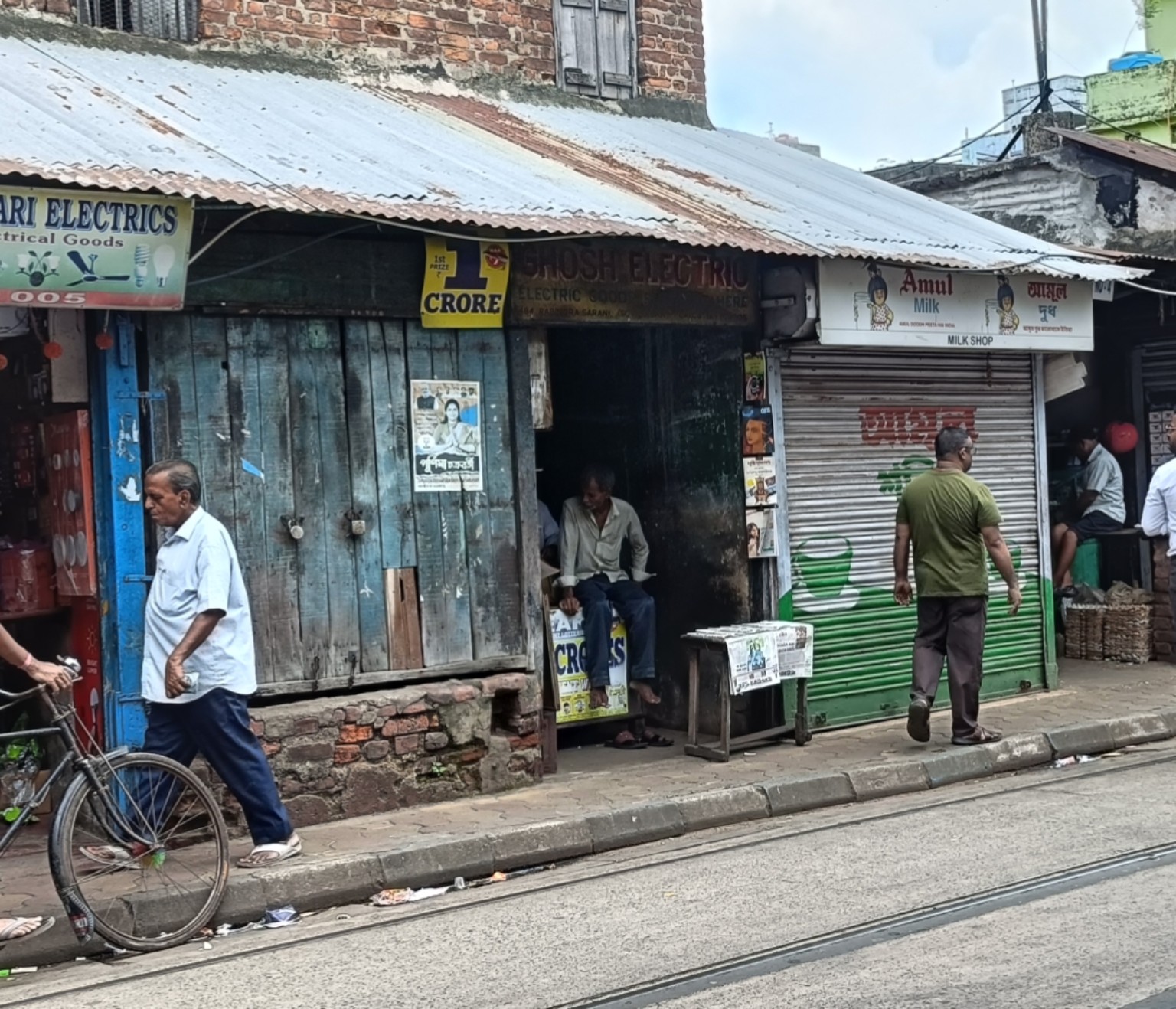
What the kirana has that a dark store never will
1. Zero-minute commerce. The apps sell 10-minute delivery. The kirana at your gate is 10 seconds away. In the 200-metre radius, the kirana remains unbeatable — if it fights.
2. Udhaar — credit no algorithm gives. No app lets a family take the month's ration on trust and settle after salary day. The खाता is the kirana's oldest loyalty program and deepest moat.
3. The open packet. 100 grams of loose dal, a single egg, half a bread — the exact quantity a small household needs. No dark-store economics can serve that basket.
4. A face, not a support ticket. Problems resolved across the counter in ten seconds. No chatbot. No refund queue.
The fightback playbook — seven moves
1. Win the customer's confidence on delivery — and on the phone. The customer's real question is simple: "अगर मैं order करूँ, तो time पर आएगा?" The local shopkeeper must learn what the apps mastered — proactive engagement. Take the order on WhatsApp, confirm it with a call ("भाभीजी, 20 minute में पहुँच जाएगा"), and deliver when promised. One phone call builds more loyalty than ten discounts, because it says: someone I know is personally responsible for my order.
2. Send a little extra with every delivery. When your boy goes with the order, send an add-on — however small. A packet of साबुत धनिया, two toffees for the child, a sachet of the new brand you want them to try. The apps calculate; the kirana can gift. A ₹2 freebie creates a feeling no coupon code can — अपनापन. That feeling is the kirana's real currency.
3. Digitise the counter — billing, stock, GST, khata. You cannot fight data-driven companies with a paper register. A modern kirana bills in seconds, knows its stock, has every item's correct GST rate, and sends the bill on WhatsApp. This is exactly what Kirana बीजक provides today — built for Indian shops, in Hindi, running on the phone already in the shopkeeper's pocket:
The digital खाता is part of the same counter: udhaar recorded transparently, every payment logged, a running balance both sides trust — the warmth of the old khata with none of the disputes. Plus a ready master catalog of 2,000+ kirana products with correct GST slabs, so a shop is stocked digitally in minutes.
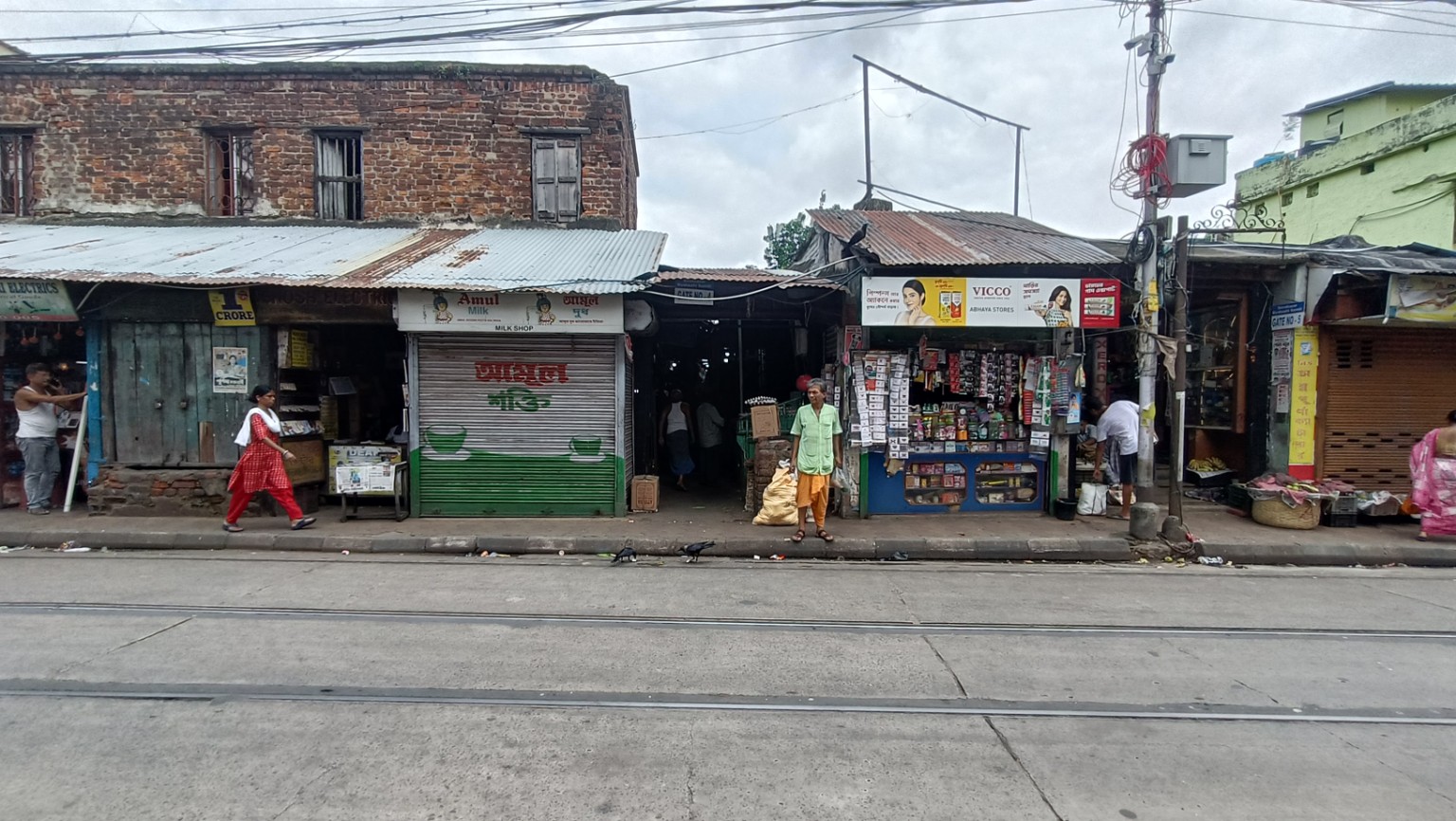
4. Availability is a strategy, not luck. A customer who comes twice and finds the item missing goes to the app for good. Low-stock alerts, a purchase register, and reorder discipline — knowing before the shelf goes empty — is how a small shop matches the apps' "always in stock" promise on the items its street actually buys.
5. Compete on the basket, not the SKU. On a single packaged item the apps may win. On the real mixed basket — loose staples, fresh local produce, regional brands the platforms don't stock — the kirana's total is competitive, with zero delivery fee, zero surge, zero small-cart charge.
6. Go fully digital — your own website and digital payments. The next step for the local shop is its own digital storefront: the shop's own website with its products and prices, and a digital payment system so customers order and pay the modern way — but from their own shopkeeper, not a faraway warehouse. This is what we are building next on Kirana बीजक — every registered shop will get its digital face, without hiring a single developer.
7. And the government must do its part. Quick-commerce companies burn thousands of crores of investor money; the shopkeeper fights with his savings. If India wants its 1-crore kiranas alive, policy must give the local shopkeeper credit at lower interest, without collateral, and without paperwork he has no bandwidth for. He cannot spend three weeks assembling documents — his shop closes if he leaves the counter for a day. Simple, fast, trust-based credit for working capital and modernization (MUDRA-style, but genuinely low-friction) is the single biggest support the system can give.
The honest conclusion
The kirana that refuses to change will likely join the 25% statistic. But the kirana that modernises — digital billing, digital khata, WhatsApp ordering, on-time delivery with a personal call, a small freebie in every bag, sharp basket pricing, its own website and payments — becomes something no platform can build:
A ten-second store with a hundred-year relationship.
अपनी दुकान register करें — अभी free है App की पूरी guide देखें
Market figures: industry estimates from Datum Intelligence and market studies, 2024–2026. Street photographs: SuperKirana site survey, Kolkata — superkirana.in.